Claim Coffee Rewards Starting Today
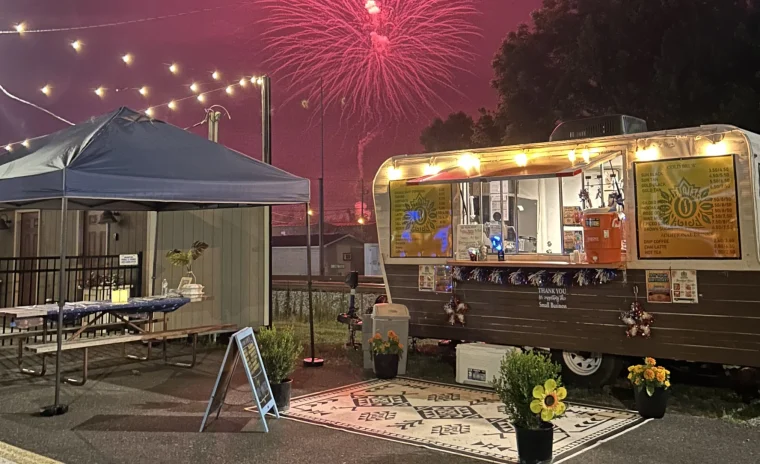
Discover Artisan Coffee Roasters in Sweetwater, TN
What Coffee Roasters Actually Do
Coffee roasting is the transformative art that turns raw, green coffee beans into the aromatic, flavorful beans you grind and brew each morning. At its core, roasting is a carefully controlled application of heat that triggers hundreds of chemical reactions inside each bean. These reactions develop the sugars, oils, acids, and aromatic compounds that give coffee its signature taste and smell. Without roasting, coffee would taste grassy, sour, and utterly unrecognizable. The roasting process is where magic meets science, and where a skilled roaster’s decisions directly shape your daily cup.
When green beans enter a roasting drum, they undergo dramatic physical and chemical changes. As temperatures climb, moisture evaporates, the beans expand and crack, and complex flavor molecules form through a process called the Maillard reaction. Light roasts preserve more of the bean’s original character, showcasing bright acidity and delicate floral or fruity notes. Medium roasts strike a balance, offering sweetness, body, and moderate acidity that appeals to a wide range of palates. Dark roasts bring bold, smoky, and bittersweet flavors forward, with oils visible on the bean’s surface and a pronounced roasted character that can complement milk-based drinks beautifully.
Why does this matter to you? Because the roast level fundamentally determines what you taste. If you love a bright, citrusy Ethiopian coffee, a dark roast will bury those delicate notes. If you crave a rich, chocolatey profile, a light roast might taste too sharp. Understanding roast levels helps you choose beans that match your preferences and brewing method.
Here in Tennessee, seasonal preferences influence what roasters produce. During hot, humid Sweetwater summers, many customers gravitate toward lighter, more refreshing roasts that pair well with iced coffee and cold brew. As fall and winter arrive, demand shifts toward medium and darker roasts that deliver warmth and comfort in a mug. Local roasters adjust their offerings to match these rhythms, ensuring the beans on their shelves reflect what their community actually wants to drink. At Sun & Gold Coffeehouse and Roasters, this attention to seasonal and local taste is part of the artisan approach, blending technical skill with a genuine understanding of what brings customers back day after day.
Why Freshness and Sourcing Matter
Freshly roasted coffee and stale coffee are not even close to the same experience. Coffee beans reach their peak flavor within days of roasting, and from that moment, they begin a slow decline. Oxygen, light, heat, and moisture all degrade the volatile compounds that give coffee its aroma and complexity. After two to three weeks, even well-stored beans lose vibrancy. After a month or more, they taste flat, dull, and one-dimensional. This is why the roast date printed on a bag is one of the most important pieces of information you can find. If a bag doesn’t list a roast date at all, that’s usually a red flag that the beans are commodity-grade and have been sitting on a shelf for weeks or months.
Sourcing decisions matter just as much as freshness. Coffee is an agricultural product, grown in specific climates, soils, and elevations around the world. A bean from Colombia tastes fundamentally different from one grown in Ethiopia or Sumatra, even if roasted identically. Quality roasters carefully select green beans based on origin, farm practices, processing methods, and cup profiles. They build relationships with importers and, when possible, with farmers themselves. This traceability ensures consistent quality and supports sustainable farming practices that protect both the environment and the livelihoods of coffee-growing communities.
When you buy from a local roaster, you gain access to beans that were likely roasted within the past few days. That immediacy translates directly into flavor. You taste the brightness, complexity, and nuance that the roaster intended. Compare that to supermarket coffee, which may have been roasted months ago, shipped across the country, and left on a warehouse shelf before ever reaching your cart. The difference is night and day.
In the Sweetwater and Northpoint areas, customers increasingly seek out local roasters who prioritize both freshness and ethical sourcing. There’s a growing awareness that quality coffee isn’t just about taste; it’s about knowing where your beans come from and supporting businesses that care about the full supply chain. Sun & Gold Coffeehouse and Roasters exemplifies this commitment. Their focus on expertly roasted beans and fresh, flavorful coffee means every bag reflects careful selection and timely roasting. Whether you’re stopping in for your morning pick-me-up or taking home a bag of specialty beans, you’re getting coffee at its best, when it tastes the way it was meant to taste.
The Coffee Roasting Process
Understanding how coffee roasting works gives you a deeper appreciation for every cup you drink. The process begins with green coffee beans, which arrive from farms already processed, dried, and sorted. These beans are dense, hard, and smell faintly grassy or vegetal. They hold enormous flavor potential, but unlocking it requires precise heat application over time.
The roaster loads green beans into a roasting drum, a rotating cylinder heated by gas burners or electric elements. As the drum turns, hot air circulates around the beans, raising their internal temperature gradually. The roaster monitors this temperature curve closely, adjusting heat and airflow to control the pace of the roast. Too fast, and the beans scorch on the outside while remaining underdeveloped inside. Too slow, and they bake rather than roast, producing flat, lifeless flavors.
Around 385 degrees Fahrenheit, the beans reach a critical milestone called first crack. Moisture inside the bean turns to steam and ruptures the cell structure with an audible popping sound, similar to popcorn. First crack signals that the beans have entered the light roast zone. If the roaster stops here, the coffee will showcase bright acidity, floral aromatics, and origin-specific character. Many single-origin beans are roasted to this level to highlight their unique terroir.
If roasting continues, the beans enter the medium roast zone. Sugars caramelize, body increases, and acidity softens. The balance between origin character and roasted sweetness makes medium roasts popular and versatile. Push further, and the beans reach second crack, a quieter, faster series of pops that signals the beginning of dark roasting. Oils migrate to the surface, the body becomes heavy, and roasted, bittersweet flavors dominate. Dark roasts work well in espresso and milk drinks, where their boldness cuts through dairy.
Once the desired roast level is reached, the roaster dumps the beans into a cooling tray, where rotating arms and forced air rapidly stop the roasting process. Speed matters here. Beans that cool slowly continue cooking from residual heat, leading to over-roasting and inconsistent results. Properly cooled beans are then packaged, usually within hours, to lock in freshness.
This entire process, from green bean to finished roast, takes anywhere from eight to fifteen minutes, depending on the desired profile. Every decision the roaster makes during those minutes affects the final cup. Artisan roasters like Sun & Gold blend technical expertise with a passion for exceptional taste, carefully adjusting their approach for each origin and roast level. It’s a craft that rewards patience, attention, and a willingness to learn from every batch.
How to Choose and Store Your Coffee
Choosing the right coffee starts with understanding your own taste preferences and brewing method. If you love bright, complex flavors and brew with a pour-over or drip machine, look for light to medium roasts from Africa or Central America. These origins often deliver floral, fruity, and citrus notes that shine in clean brewing methods. If you prefer a richer, fuller-bodied cup and use a French press or espresso machine, medium to dark roasts from South America or Indonesia will give you the chocolate, nut, and caramel flavors that pair well with immersion brewing and pressure extraction.
When selecting beans, always check the roast date. Aim to buy coffee roasted within the past two weeks, and plan to use it within a month of that date. Read the label for origin information, tasting notes, and roast level. Reputable roasters provide this transparency because they want you to make an informed choice. If a bag lists only a vague description or brand name with no roast date, it’s likely mass-produced and stale.
Storage is just as important as selection. Coffee’s enemies are oxygen, light, heat, and moisture. Once you open a bag, the clock starts ticking faster. Store your beans in an airtight container in a cool, dark place, like a pantry or cupboard away from the stove. Avoid the refrigerator or freezer unless you’re storing beans long-term in vacuum-sealed portions; otherwise, condensation and odor absorption will ruin your coffee. Never leave beans in the original bag unless it has a resealable, airtight closure and you press out excess air after each use.
Here in Tennessee, where summer humidity can be high and kitchens warm, proper storage is especially critical. A sealed container placed in a climate-controlled pantry will keep your beans fresher far longer than leaving them on the counter in a paper bag. Many coffee lovers in the Northpoint area invest in opaque, airtight canisters specifically designed for coffee storage, and the difference in cup quality is noticeable.
Your brewing equipment matters, too. A good burr grinder is the single most important investment you can make after buying quality beans. Blade grinders produce uneven particle sizes that lead to over-extraction and bitterness. Burr grinders give you consistent, adjustable grinds tailored to your brewing method. Pair that grinder with a reliable brewer (a simple pour-over cone, a French press, or a quality drip machine), and you’ll unlock the full potential of the beans you bring home.
Sun & Gold Coffeehouse and Roasters offers quality specialty coffee for purchase, so you can enjoy their expertly roasted beans at home. Whether you’re brewing your first cup of artisan coffee or refining your daily ritual, choosing fresh, well-sourced beans and storing them properly ensures every cup tastes as good as the roaster intended.
Your Local Roaster Advantage
Choosing a local roaster over a supermarket brand or national chain gives you advantages that extend far beyond fresher coffee. When you buy from a neighborhood roaster, you’re getting beans that were likely roasted within the same week, sometimes even the same day. That immediacy ensures peak flavor and aroma in every cup. You also gain direct access to the people who roast your coffee. You can ask questions, request recommendations, and learn about different origins and roast profiles in a way that’s simply impossible with mass-market brands. This personal relationship builds trust and helps you discover coffees you might never have tried otherwise.
Local roasters also contribute to the fabric of their communities. They create gathering places where neighbors meet, conversations happen, and connections form. They support local economies by hiring locally, sourcing from regional suppliers when possible, and reinvesting their profits close to home. When you choose a local roaster, you’re voting with your wallet for quality, craftsmanship, and community over convenience and homogeneity.
Sun & Gold Coffeehouse and Roasters embodies this local roaster advantage right here in Sweetwater. Located on Main Street and serving the Northpoint area, Sun & Gold has built a reputation for artisan roasting techniques and a genuine passion for exceptional taste. Their welcoming atmosphere invites you to linger, whether you’re grabbing your morning pick-me-up on the way to work or settling in with a book on a Saturday afternoon. The care they put into every roast reflects a commitment to delivering fresh, flavorful coffee that stands out in a crowded marketplace.
What makes Sun & Gold trustworthy? It starts with their approach to roasting. They blend technical skill with an authentic love for what they do, carefully selecting beans and adjusting roast profiles to bring out the best in each origin. They’re transparent about their process and eager to share their knowledge with customers. Whether you’re a coffee novice or a seasoned enthusiast, you’ll find a team that respects your questions and helps you find exactly what you’re looking for.
Beyond the coffee itself, Sun & Gold serves as a neighborhood hub. It’s a place where regulars greet each other by name, where local events find a home, and where the simple act of enjoying a well-made cup of coffee becomes something more meaningful. This sense of belonging and community connection is something no online retailer or big-box store can replicate.
If you’re ready to experience the difference that fresh, locally roasted coffee makes, consider visiting Sun & Gold Coffeehouse and Roasters. Stop by to pick up a bag of their expertly roasted beans to enjoy at home, or settle in with a cup brewed to order and taste the craft for yourself. You’ll quickly understand why choosing a local roaster isn’t just about better coffee; it’s about supporting a business that genuinely cares about quality, flavor, and the people it serves.